
Canada's 10 Most Famous Cities
Canada's most renowned cities encompass a spectrum of destination categories that mirror the diversity of its population, spanning from sophisticated urban hubs to more relaxed communities. With each city possessing its distinctive character, Canada provides a diverse array of experiences for every kind of traveller to discover.

Toronto, Ontario
Vancouver, British Columbia
Montreal, Quebec
Niagara Falls, Ontario
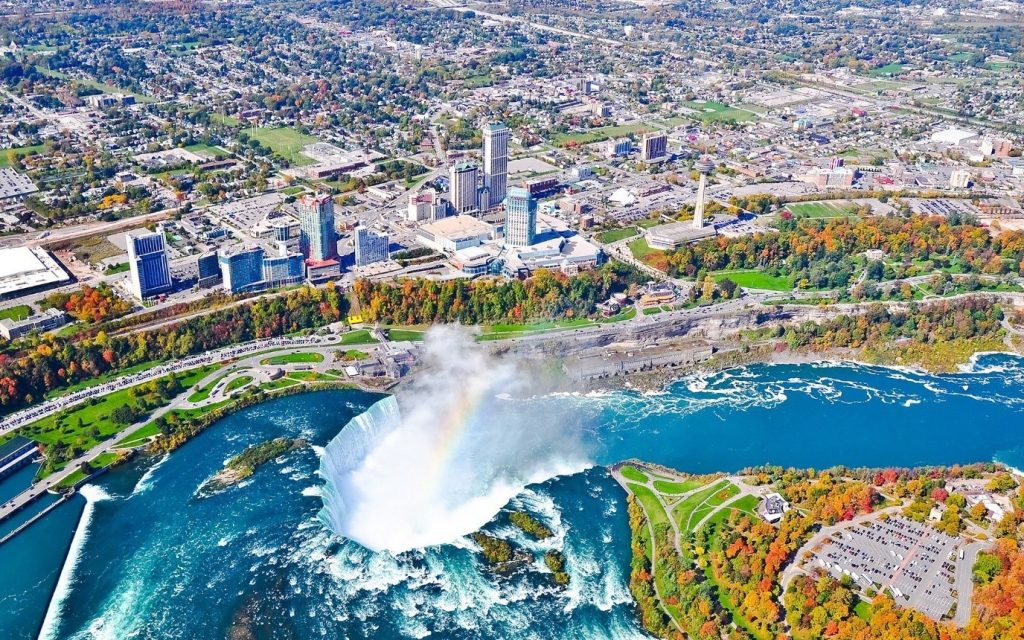
Niagara Falls, situated in Ontario on the Canadian side (with Niagara Falls, N.Y., located on the U.S. side), has long held its reputation as a romantic getaway, drawing millions of honeymooners and passionate couples each year. In the 2000s, Niagara Falls underwent a transformation with the introduction of a new casino resort. This development led to the establishment of additional hotels, upscale dining venues, boutique shops, family-friendly attractions, and performances by renowned artists.
The tourist scene is primarily divided into two vibrant areas: Fallsview, situated at the mouth of Canada’s Horseshoe Falls, and Clifton Hill, located roughly a mile away. These districts are interconnected by a picturesque promenade that runs along the edge of the Niagara Gorge, featuring an array of tourist shops, miniature golf, spooky attractions, a Ferris wheel, and more, including multiple water parks.
While the promenade caters to a more flamboyant array of attractions, the falls themselves stand as a breathtaking natural wonder. The Hornblower Boat Cruise offers visitors an up-close experience, immersing them in the powerful spray and providing a true sense of the falls’ immense force.
Beyond the main draw of the waterfalls, the surrounding region offers a wealth of attractions. The Niagara wine region, the renowned Shaw Festival, and the picturesque town of Niagara-on-the-Lake all contribute to a more authentic and local experience.
Victoria, British Columbia
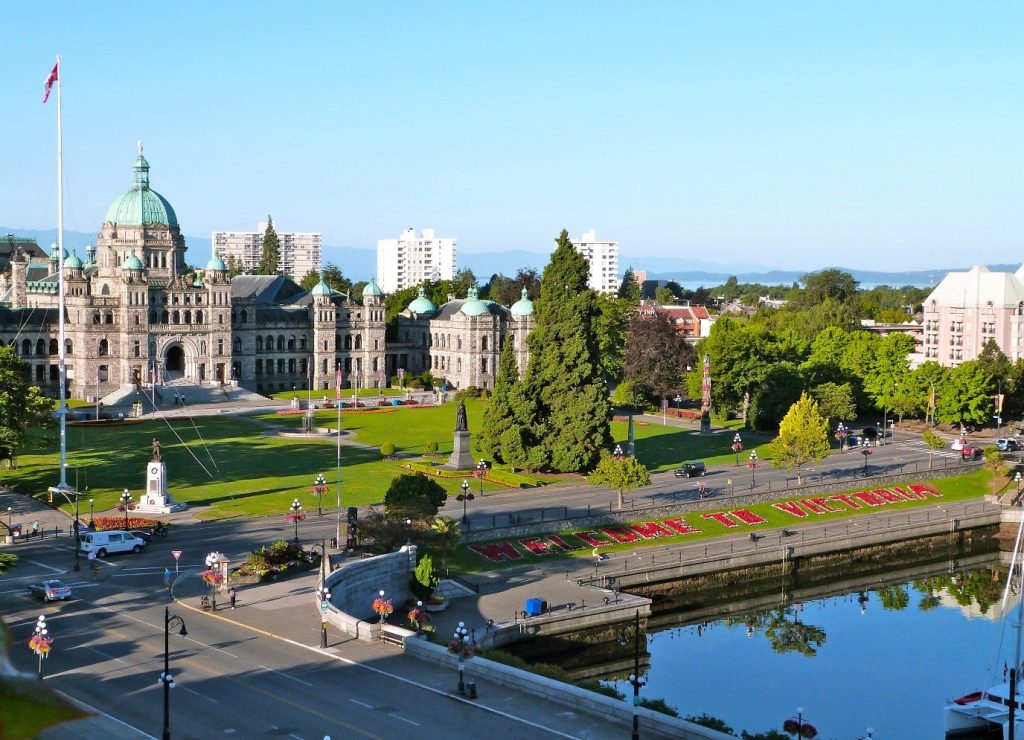
Victoria, the capital city of British Columbia, is situated at the southern tip of Vancouver Island. This charming coastal city serves as a gateway to the myriad of delightful towns, inlets, coves, and breathtaking Pacific Ocean vistas that Vancouver Island has to offer.
With roots dating back to the 1840s when it was originally established as a trading port, Victoria also boasts a rich history as an indigenous community, a mining centre, and a prominent economic hub. Visitors can still revel in the well-preserved architectural treasures from the 19th and early 20th centuries, exemplified by iconic landmarks such as the Parliament Buildings and the Fairmont Empress Hotel, both of which provide picturesque views of the city’s renowned Inner Harbor.
Halifax, Nova Scotia
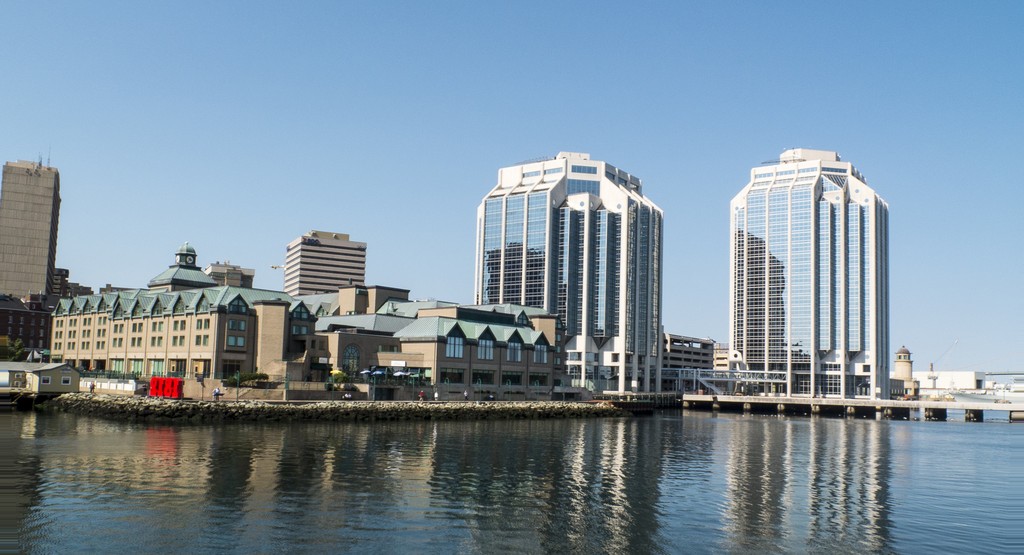
The capital city of Nova Scotia offers the conveniences of a major urban centre while retaining the appeal of a more intimate community. Renowned for the warm hospitality of its residents, the Maritime region, including Halifax, is often rumoured to have more bars per capita than any other city in Canada.
A significant part of the city’s charm can be attributed to its picturesque coastal setting, rugged shorelines, sandy beaches, proximity to charming fishing villages, and its wealth of historic architecture.
Quebec City, Quebec
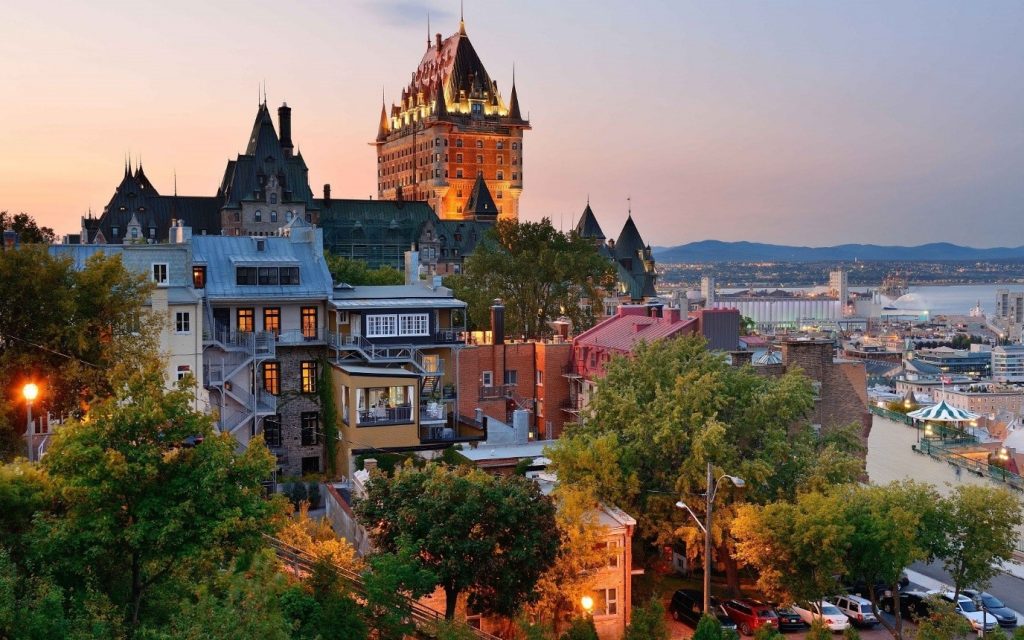
Quebec City is positioned at the narrowest point of the St. Lawrence River and has achieved recognition as a UNESCO World Heritage Site, predominantly due to the historic Old Town district within the city.
A substantial portion of the Old Town sits atop elevated terrain overlooking the water, crowned by the renowned Chateau Frontenac. This area boasts charming cobblestone pathways, exceptionally well-preserved 17th-century architecture, and a vibrant cafe culture. It is also home to the sole remaining fortress walls in North America north of Mexico.
Quebec City is known for its lively atmosphere and its manageable size, particularly for those who focus their exploration on the Old Town. However, there is much more to explore beyond this area. The city offers year-round enjoyment with events like the Winter Carnival, Summer Festival, and New France Festival, all of which attract both locals and tourists. The primary language spoken in Quebec is still French.
Calgary, Alberta
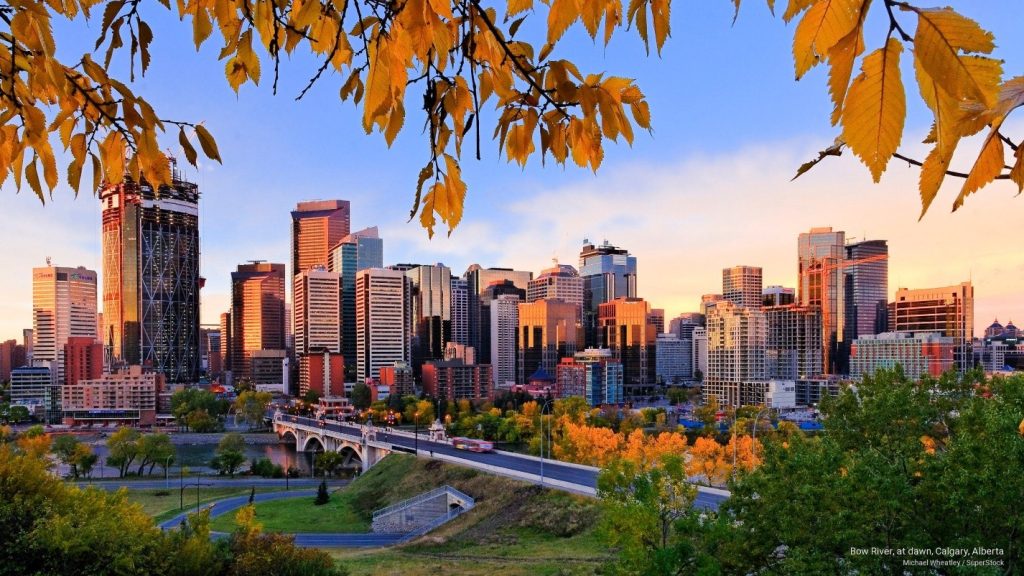
Calgary embraces the enduring spirit of the Old West, where cowboy hats and line dancing remain enduring symbols of style. The city of Calgary, located in Alberta, gained prominence through the renowned Calgary Stampede festival, but its pivotal role as the inaugural Canadian host of the Winter Olympics in 1988 firmly established it as one of Canada’s premier destinations.
As Alberta’s largest city, Calgary offers a full spectrum of accommodations, dining establishments, and modern conveniences that befit a thriving urban centre. It has thrived significantly since the 1990s.
Furthermore, Calgary’s strategic proximity to natural wonders like Banff, the Rocky Mountains, ice fields, and various other scenic marvels serves as a significant attraction for visitors to the region.
Ottawa, Ontario
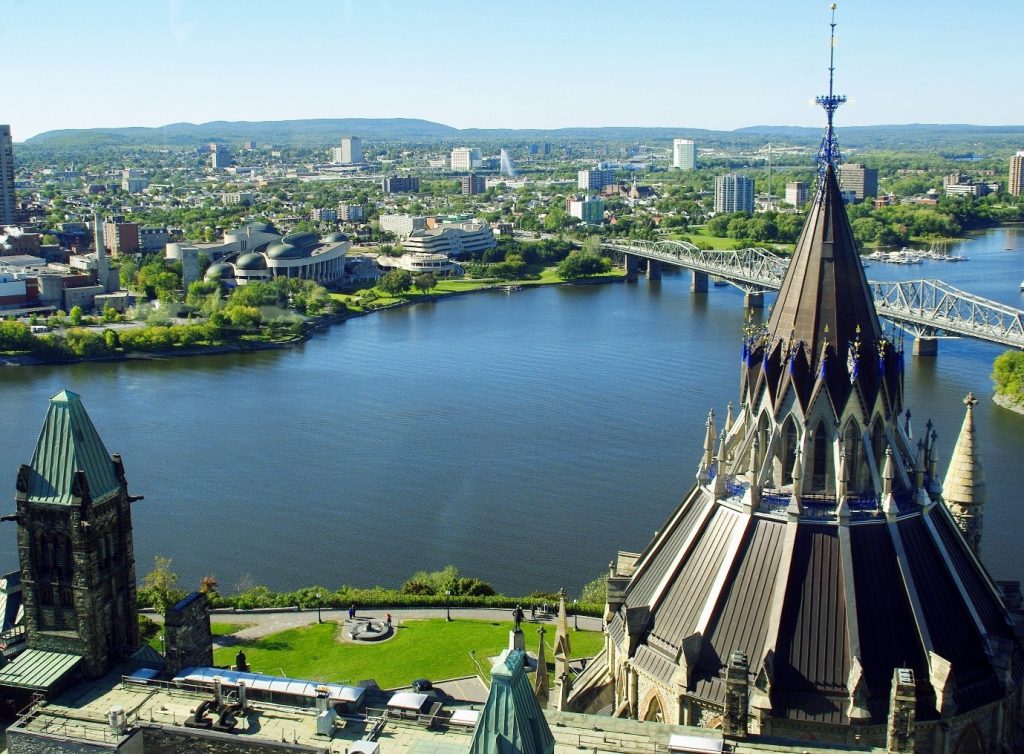
While Toronto and Montreal may enjoy greater recognition, Ottawa holds the distinction of being Canada’s capital city. Ottawa’s appeal largely stems from its well-planned layout and its pedestrian-friendly environment. The city takes great pride in the preservation of its historic structures, notably the Parliament Building and the Chateau Laurier. Among Ottawa’s most iconic landmarks is the Rideau Canal, which traverses the city and, during freezing temperatures, transforms into the world’s largest skating rink.
Edmonton, Alberta
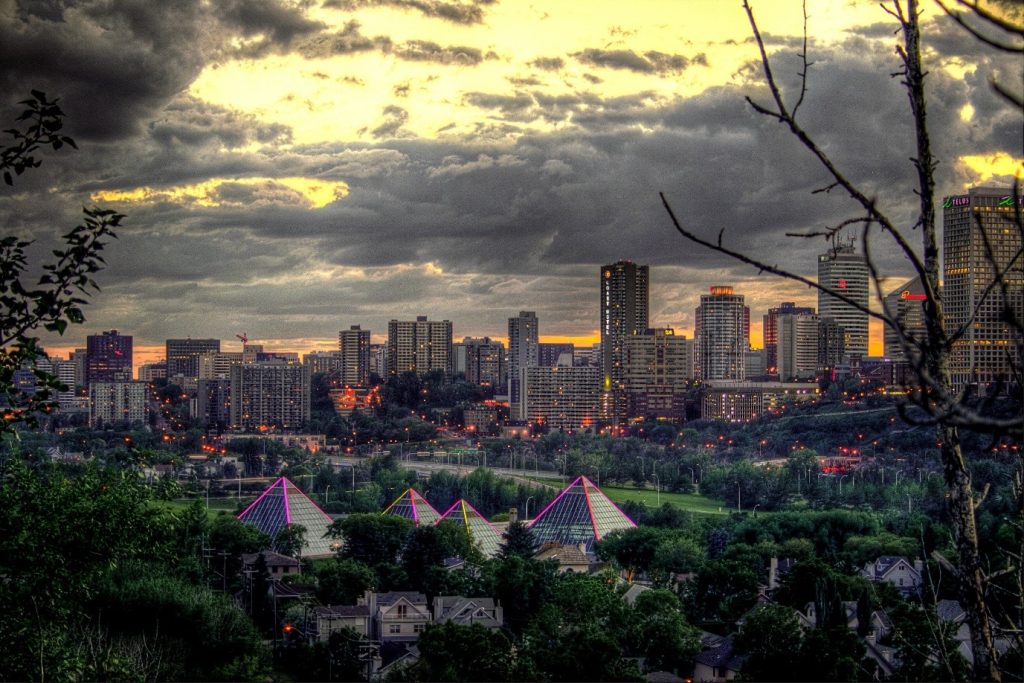
Edmonton has gained a reputation as a festival city, with its two most renowned events being the Edmonton Folk Music Festival and the Edmonton International Fringe Theatre Festival.
Moreover, Edmonton holds the unique distinction of hosting the world’s largest shopping mall, the West Edmonton Mall, an expansive complex that includes a hotel, roller coaster, and water park.
Edmonton is also recognized as the Gateway to the North, offering convenient access to Jasper and the Rocky Mountains, as well as Canada’s northern territories, namely Nunavut, the Northwest Territories, and the Yukon.
Apply for your future today!
Complete our online registration to be evaluated and we will provide our assessment within 2-3 business days.


