
Getting Around in Canada
Upon your initial arrival in Canada, you'll quickly observe the convenience of its transportation system for tourists. As the second-largest country globally, Canada's efficient public transportation is a notable advantage. It provides various options depending on the travel distance. Learn about the different types of transportation in Canada and guide newcomers on traveling within the country via various modes.
Submit an application for a provincial health insurance card.

Air Travel:
– Because of Canada’s extensive size, many people opt for air travel when moving between major cities.
– All major cities have airports with regular flights to and from various destinations. However, some smaller towns and rural areas lack primary airports.
– If your destination lacks an airport, your options are to either fly to the nearest major airport and then rent a car or take a train or bus to your final stop.
– To board a flight in Canada, you need either a piece of photo identification issued by the federal, provincial, or territorial government in Canada or a foreign passport.
Rail Travel:
– Canada boasts a comprehensive rail network that spans the entire country.
– Trains in Canada offer a safe and comfortable travel option, and it’s often more cost-effective to purchase train tickets in advance.
– You can obtain more information and purchase tickets through Via Rail Canada or by visiting a physical train station.
Bus Travel:
– Bus travel can be time-consuming for long distances but offers several advantages:
– It’s often the most economical way to travel between cities.
– It may be the only option for reaching smaller towns if you don’t have access to a car.
– Most buses are equipped with air conditioning and onboard restrooms.
– The largest bus network in Canada is operated by Greyhound and its partners. You can gather more information and buy bus tickets by contacting or visiting your local bus station.
Ferry Travel:
– In coastal regions like British Columbia and the Atlantic area, ferry boats are a common mode of transportation, serving both passengers and vehicles.
– You can find details and purchase tickets from ferry companies operating in your region.
Car Travel:
– Canada boasts an extensive highway network that enables long-distance travel by car between most destinations.
Public Transportation (Public Transit):
– Canadian cities and major towns have public transportation systems, offering various modes of travel such as buses, trains, subways, light-rail trains, and trams.
– If you plan to use public transit, it’s advisable to research your options before deciding where to reside.
– Buses are the most common form of urban transportation in Canada, although some cities offer alternative public transit options.
– To use public transportation, you must purchase tickets or a transit pass, which provides unlimited access for a specific period, typically one month or more. Passes are usually more cost-effective for frequent users.
– Tickets can typically be purchased at convenience stores, major transit stations, or directly from the bus driver.
– Public transportation systems often provide features to assist individuals with
physical disabilities. Many cities offer specialized services for those with limited
mobility.
Taxis:
– Taxis are available in all cities and towns in Canada but are relatively expensive,
often used as a last resort.
– To determine the cost of your trip, it’s advisable to inquire about fares before
starting your journey.
– Taxi fares are calculated using meters based on mileage and fees, with fixed rates
that are not open to negotiation.
– Optional tips for the driver are customary, especially if they assist with multiple
bags.
– Licensed taxi drivers carry official identification cards displayed on the dashboard.
– Taxis can be hailed on the street or called in advance by contacting taxi companies
or the transportation department of your city government.
– Walking and cycling are cost-effective and healthy means of transportation in
Canadian cities and towns.
– Local bike shops and city government resources, such as websites and information
kiosks, often provide maps of bicycle routes.
Frequently Utilized Transportation Methods in Canada

Navigating Transportation and Etiquette in Canada

– Canada prioritizes accessibility in public transport, including descending platforms,
designated seating, visual cues, and service animal accommodations.
– Transit services often cater to passengers with various needs.
– Contact transit providers in advance to ensure specific accommodations.
Winter Travel Considerations:
Public Transit Structure:
– Canada’s cities and towns offer accessible public transportation, including buses, trains, subways, light-rail, and trams.
– Research your local transportation options before choosing a residence.
– Buses are the most common urban transit, while other cities may provide additional services.
– Using public transit requires purchasing tickets or transit passes, often available at convenience stores, transit stations, or from bus drivers.
Etiquette and Rules on Public Transit:
– Canadians value punctuality and respecting others’ time when using public
transportation.
– Personal space is essential, even during peak hours.
– Canada promotes equality and offers assistance to those who need it, striking a
balance between individual rights and collective well-being.
– Best practices include not blocking entrances/exits, allowing passengers to exit
before boarding, respecting personal space, and offering seats to those in need.
Assistance While Using Public Transit:
– Lost or in need of assistance? Seek help from transit staff, fellow passengers, or
consult online and in-person maps and trip planning tools provided by transit
systems.
– Transit systems often have helplines for assistance via phone or text.
Emergency Situations on Public Transport:
– Use the emergency button only in genuine emergency situations to protect life,
health, or property.
– Misuse of the emergency button may result in fines.
Active Transportation (Walking and Cycling):
– Walking and cycling are popular, especially in metropolitan areas.
– Weather can affect active travel; dressing appropriately is essential.
– Some cities offer bike rental services with widespread pick-up and drop-off stations.
Provincial and Inter-City Travel:
– Travel between provinces is possible by air, train, or bus.
– Air travel is common for long distances, with flights often connecting smaller
regional airports.
– Trains offer scenic journeys, while buses serve inter-city routes.
– Carry identification while traveling between provinces.
Taxi and Ride-Share Services:
– Taxis operate in most cities and regions in Canada, often with a regional focus.
– Ride-sharing services like Uber and Lyft are widely available.
– Prices for taxis are metered, and ride-sharing services offer convenience.
Paying for Public Transit in Canada

Public Transit Costs:
– Public transit costs vary by city but typically range from $2.30 to $3.35 for a one-
way trip.
– Kids ages 0-12 ride for free!
– One-way fares often include transfers between different vehicles, allowing you to
switch buses without additional charges.
– Some cities, like Vancouver, implement a “zone” system, where fares may vary
based on distance travelled or mode of transit.
– Larger and more complex transit systems often have higher costs. For example,
Toronto’s one-way adult cash fare is $3.35, while Guelph, a smaller city, charges
$3.00.
Transit Passes:
– Transit passes, available in some areas, offer unlimited trips over a specified
period, such as a day, multiple days, a month, or a year.
– To determine if a transit pass is cost-effective:
1. Calculate the cost of a single trip and the transit pass.
2. Estimate the number of trips you plan to take within the pass’s validity period.
3. Compare the total cost of single trips with the pass price. If the pass is cheaper
for the same number of trips, it’s worth purchasing.
Payment Methods:
– Payment options vary among transit systems and may include:
– Cash: Paying with cash, although potentially more expensive than other methods.
Exact change is advisable.
– Tickets: Purchase tickets from stations or authorized vendors.
– Transit Cards: Buy a reusable card, preload it with funds online or at designated
locations, and tap or scan it for fare deduction upon entering stations or boarding
vehicles.
– Transit Passes: Obtain transit passes at local stations, which may be loaded onto a reusable card. Present the pass to the driver or use it to tap or scan at entry points.
Transfer Tickets:
– If you use cash or tickets for fare payment, you may receive a transfer ticket.
– Keep the transfer ticket if you plan to switch to another vehicle. Show it to the driver of the second vehicle to indicate that you’ve already paid and avoid double charges.
Discounts:
– Discounts are often available for youth, students, and seniors using public transit.
– Children below a certain age may ride for free on public transportation.
Bus Services in Canada

Leading Cities for Public Transit:
– Montreal, Vancouver, and Toronto have garnered the highest public transit scores in
the most recent rankings for Canadian cities.
– These rankings are based on the premise that public transportation is readily
available and convenient within these urban areas.
Toronto’s Premier Transit System:
– Among these cities, Toronto currently boasts the most advanced public transit
system in the nation.
– However, Montreal is rapidly narrowing the gap by enhancing its transit services,
supported by government initiatives focused on expanding the city’s public
transportation infrastructure.
Exploring Canada’s Natural Beauty by Bus:
-One of the most enjoyable ways to soak in Canada’s renowned scenic landscapes is through bus journeys connecting popular cities such as Vancouver, Montreal, and Toronto.
-Given the vastness of the country, bus travel stands out as a highly economical
choice.
Savings through Advance Online Booking:
– Travelers can cut down on costs significantly by reserving their tickets online well in advance. Ticket prices generally tend to escalate as the departure date approaches.
– Effective planning equates to more substantial savings.
Established Bus Service Providers:
– Several well-established bus service companies facilitate connections from major cities to remote regions in Canada.
– Noteworthy providers include Greyhound Canada, Megabus, Pacific Coach, and
Maritime Bus.
Red Arrow for Alberta Travel:
– Red Arrow bus service offers the most comprehensive transportation options for
those planning to explore Alberta.
Coach Canada for Interprovincial Travel:
– Coach Canada provides bus routes connecting the provinces of Ontario and
Quebec, making it an excellent choice for travellers between Quebec, Montreal, and Toronto.
Ottawa to Toronto Route:
– A one-way ticket from Ottawa to Toronto costs approximately $117 and has a travel duration of up to 5 hours.
– To secure better seats and lower ticket prices, it’s advisable to book tickets well in advance of the departure date.
For a Stress-Free and Unforgettable Journey:
– Leo Charter Services stands out as the preferred option for individuals seeking a
seamless and memorable travel adventure.
– Whether your travel plans involve a romantic escape, a family expedition, or a
group expedition to British Columbia, Alberta, or Saskatchewan, Leo Charter
Services has you covered.
Transit systems in major cities
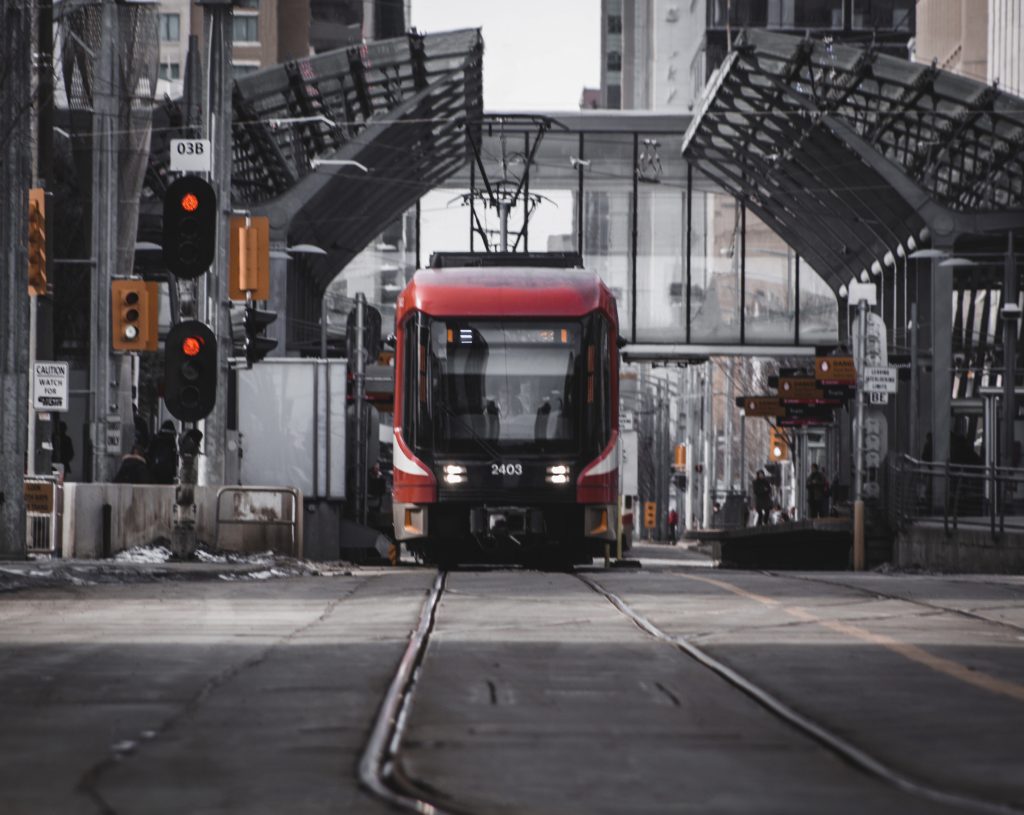
Leading Cities for Public Transit:
– Montreal, Vancouver, and Toronto have garnered the highest public transit scores in
the most recent rankings for Canadian cities.
– These rankings are based on the premise that public transportation is readily
available and convenient within these urban areas.
Toronto’s Premier Transit System:
– Among these cities, Toronto currently boasts the most advanced public transit
system in the nation.
– However, Montreal is rapidly narrowing the gap by enhancing its transit services,
supported by government initiatives focused on expanding the city’s public
transportation infrastructure.
Here are links to the websites of the public transit systems in major cities across Canada. These websites provide information about schedules, routes, and trip planning tools. It’s important to note that these are not the only transit systems within a province or territory, as many small and mid-sized cities also have their own public us services.
Alberta
– Calgary: Calgary Transit
– Edmonton: Edmonton Transit Service
British Columbia
– Vancouver: TransLink
– BC Transit operates 88 transit systems in British Columbia (outside of Vancouver)
Manitoba
– Winnipeg: Winnipeg Transit
New Brunswick
– Fredericton: City of Fredericton Transit
– Saint John: Saint John Transit
Newfoundland and Labrador
– St. John’s: Metrobus
Northwest Territories
– Yellowknife: Yellowknife City Transit
Ontario
– Ottawa: OC Transpo
– Toronto: TTC: Toronto Transit Commission
– Go Transit provides regional service in the Greater Toronto Area
– For other cities in Ontario, refer to the list of Public Transit Systems in Ontario
from the Ministry of
Transportation
Prince Edward Island
– Charlottetown: T3 Transit
Quebec
– Quebec City: Réseau de transport de la Capitale ( https://www.rtcquebec.ca/ )
– Montreal: STM: Société de transport de Montréal
Saskatchewan
– Regina: City of Regina Transit Service
– Saskatoon: Saskatoon Transit
Yukon
– Whitehorse: Transit | Whitehorse, YT
Start your journey today!
Complete our online registration to be evaluated and we will provide our assessment within 2-3 business days.


