
Provinces and Territories
The 10 provinces are:
1)British Columbia 2) Albert 3) Saskatchewan
4) Manitoba 5) Ontario 6) Quebec 7) New Brunswick
8) Nova Scotia 9) Prince Edward Island 10) Newfoundland and Labrador
The 3 territories are:
1) Yukon 2) The Northwest Territories 3) Nunavut
The distinction between provinces and territories lies in their governance. Territories have delegated powers granted by the Parliament of Canada and are overseen by the federal government, while provinces have constitutional powers of their own. Efforts are underway to balance this power dynamic by granting more decision-making authority to the territories.Each province and territory offer unique attractions for visitors, with tourism organizations to assist in planning trips and numerous outdoor activities such as camping, hiking, and exploring natural wonders. Information on these regions can help you prepare for an enjoyable visit to Canada.
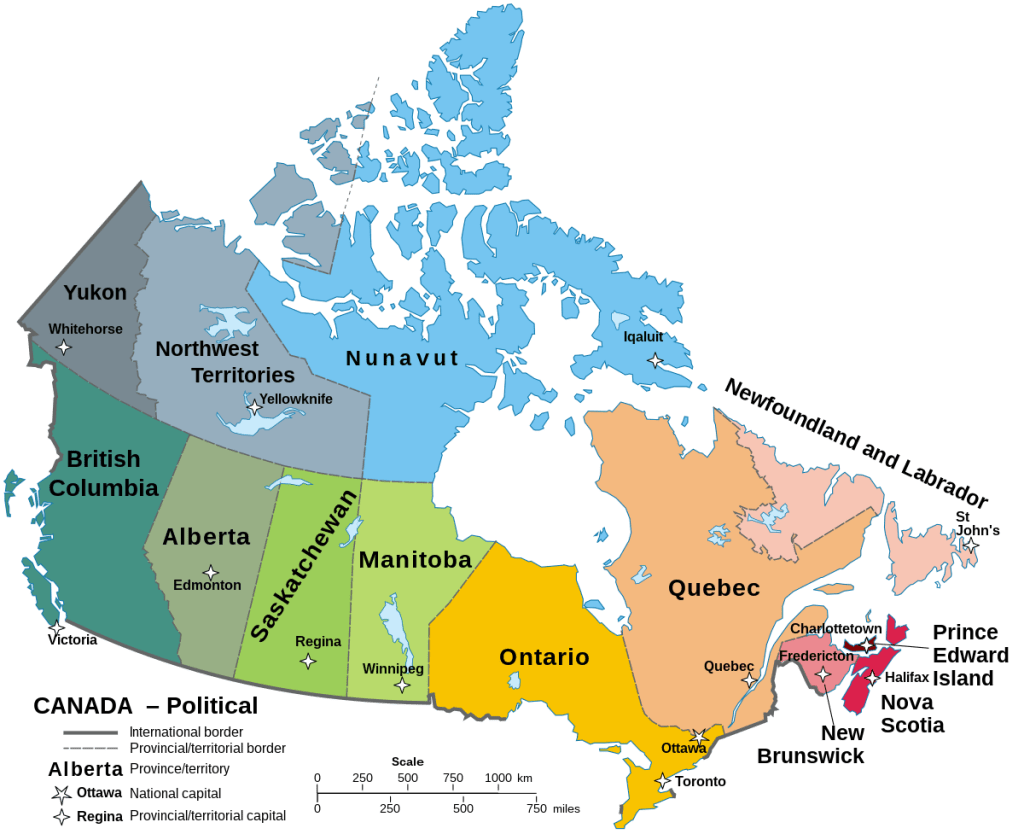
Canadian Provinces
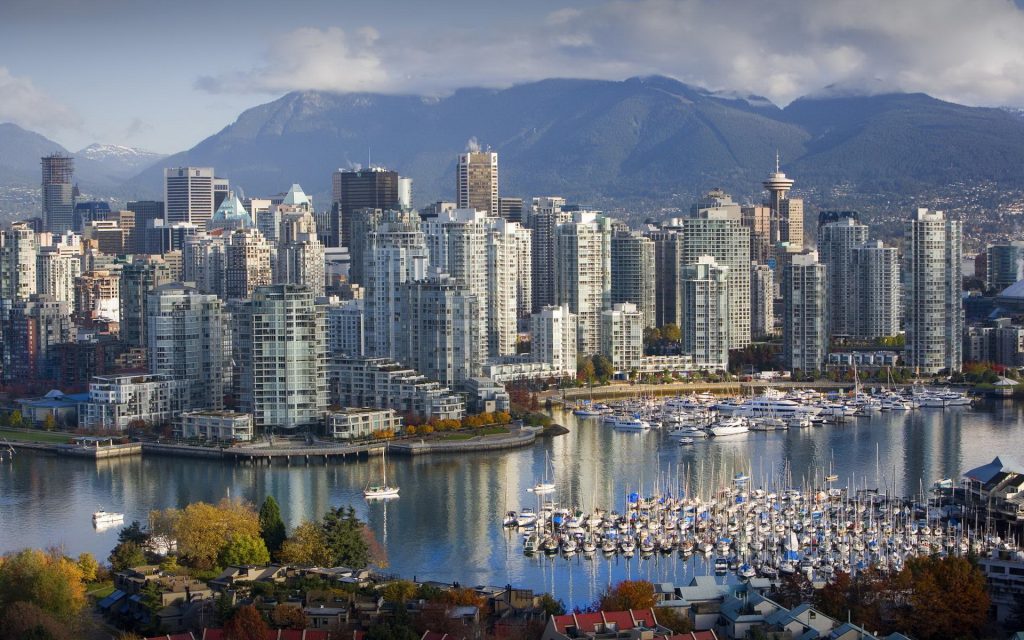
British Columbia
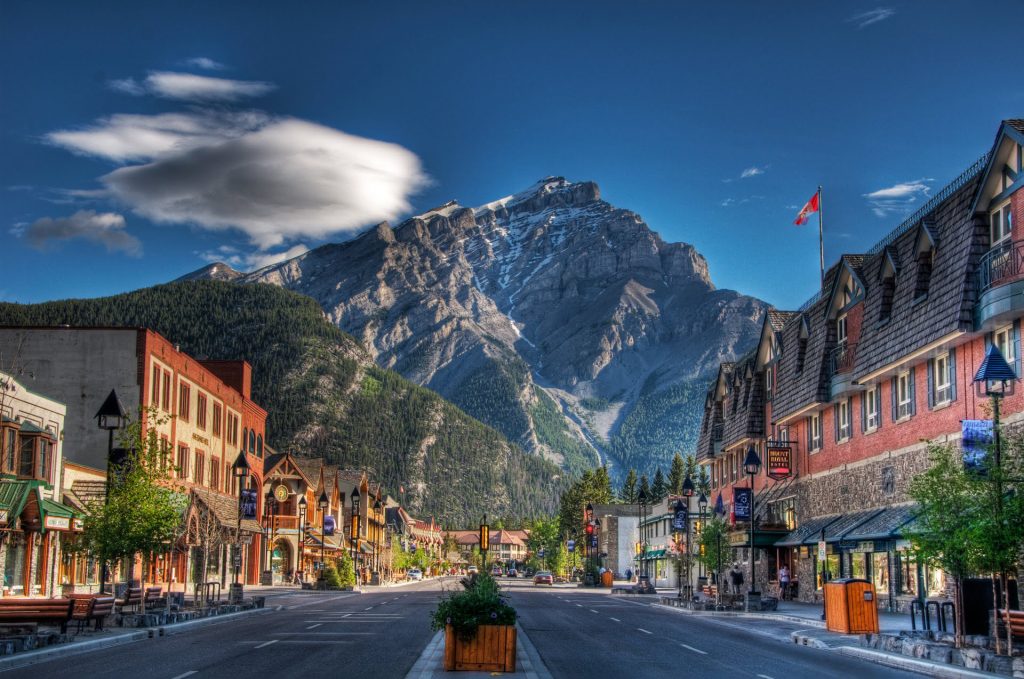
ALBERTA
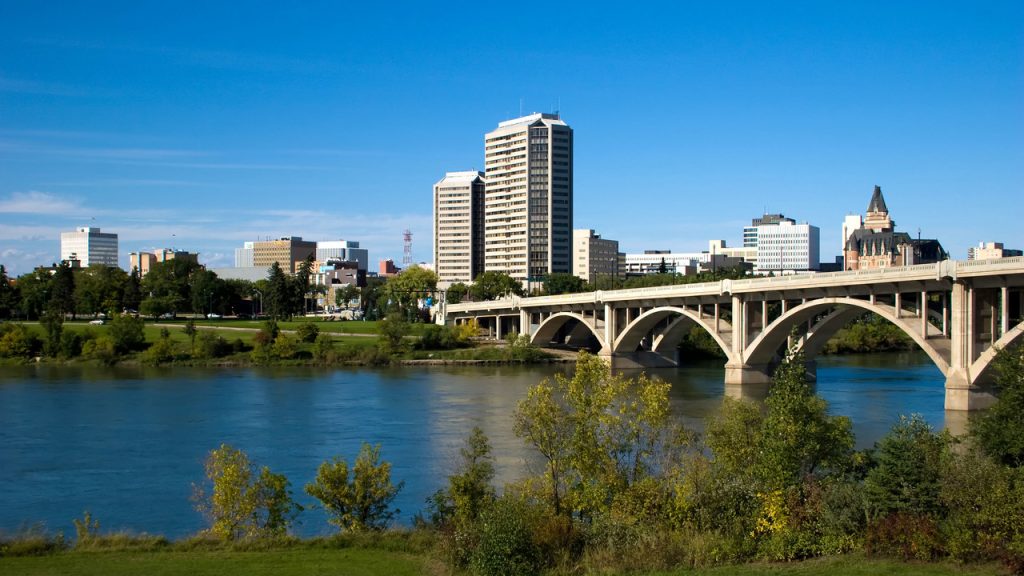
Saskatchewan
Manitoba
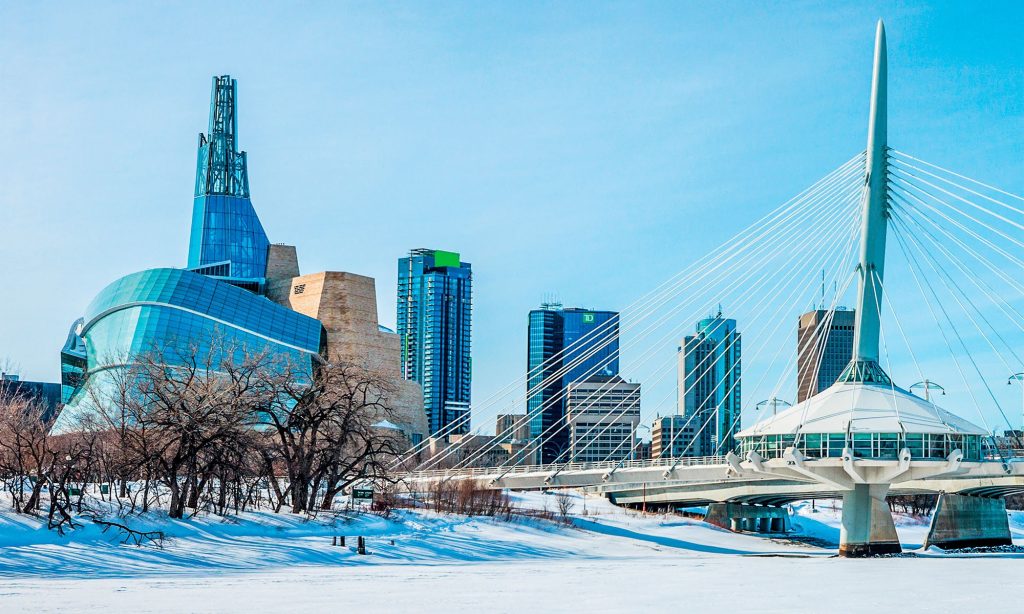
Manitoba, positioned as the easternmost prairie province and the central longitudinal point of Canada, mirrors Saskatchewan in terms of the majority of its population residing in the southern part. Manitoba’s northern areas are characterized by the Canadian Shield rock and arctic tundra, and they remain sparsely populated. The province has been home to Aboriginal and Métis communities for over 6,000 years, contributing significantly to its rich cultural heritage.
Major urban centres in Manitoba include Winnipeg (the provincial capital) and Churchill. Manitoba is globally recognized as the polar bear capital of the world and is celebrated for hosting two renowned festivals: Le Festival du Voyageur, a significant winter festival, and Folklorama, an event highlighting diverse cuisine and cultures. Churchill, located in Manitoba, ranks among the top three destinations for observing the mesmerizing aurora borealis, commonly
Quebec
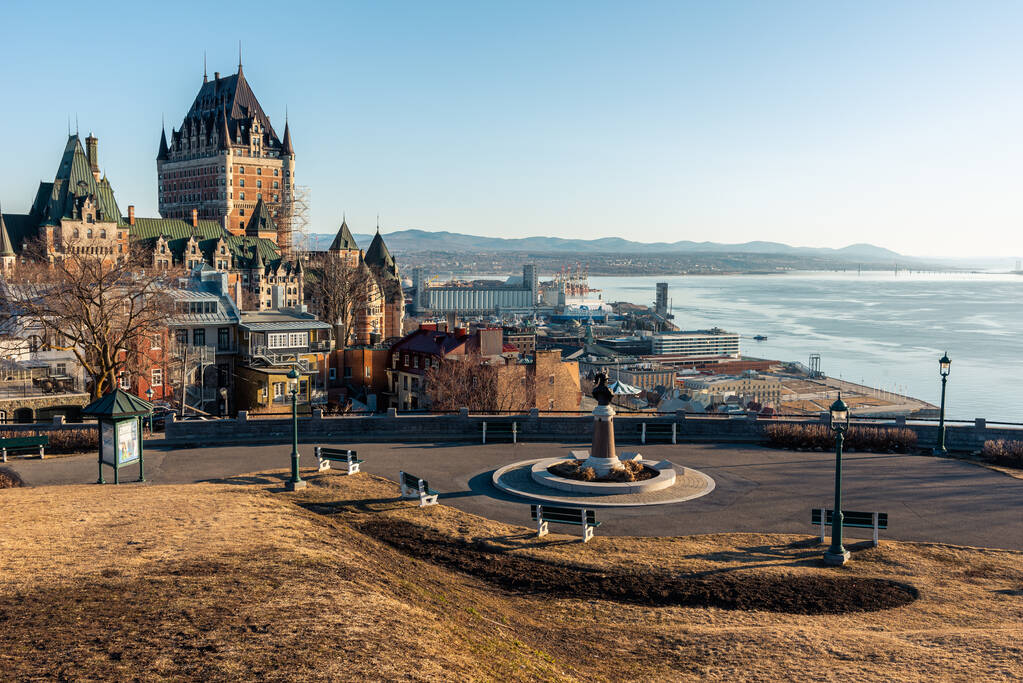
Quebec holds the distinction of being Canada’s second most populous province, celebrated primarily for its French-speaking community, rich culture, and historical legacy. Furthermore, it claims the title of the country’s largest province in terms of landmass. The majority of its inhabitants choose to reside in proximity to the St.Lawrence River, particularly in the corridor between Montreal and Quebec City, the province’s two major urban centres. Among the many attractions that both residents and tourists can enjoy are the enchanting Old Montreal and the historically significant Plains of Abraham, renowned for its excellent skiing resorts. The Old Quebec area, acknowledged as a UNESCO World Heritage site, evokes the charm of European towns with its fortified city walls and picturesque cobblestone streets.
New Brunswick
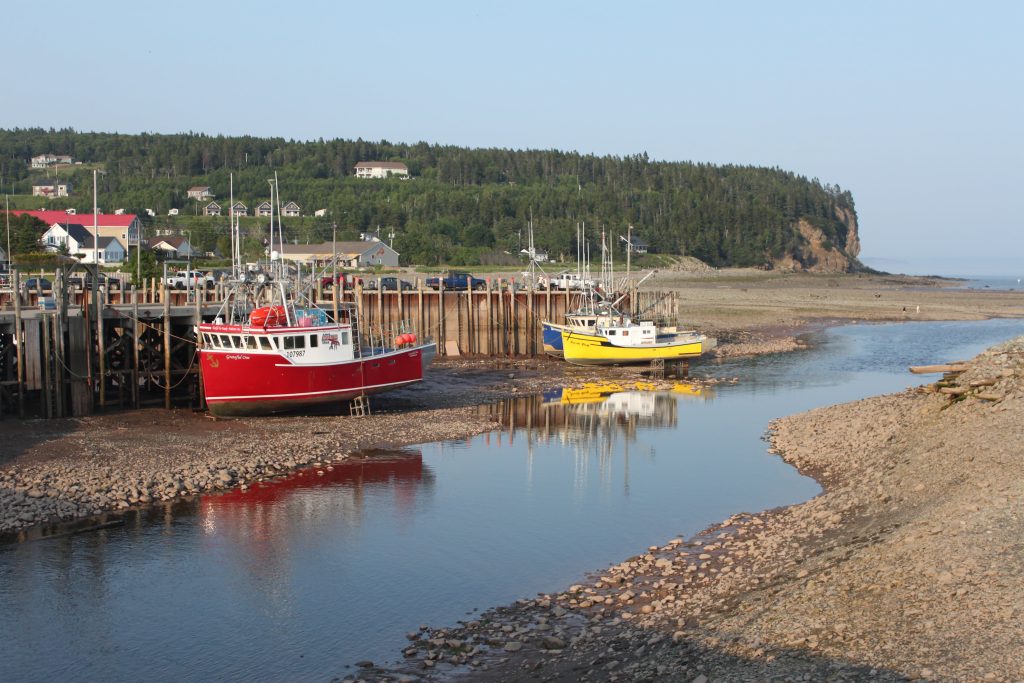
New Brunswick stands as one of the three Maritime provinces in Canada, comprising a small group of coastal territories on the eastern seaboard, positioned just south of Quebec and sharing a border with the state of Maine in the United States. Its principal urban centres encompass Fredericton (the provincial capital), Moncton, and St. John. New Brunswick’s allure emanates from its remarkable features, including the Bay of Fundy, the majestic Appalachian Range, a picturesque coastline, and a multitude of charming lighthouses.
Nova Scotia
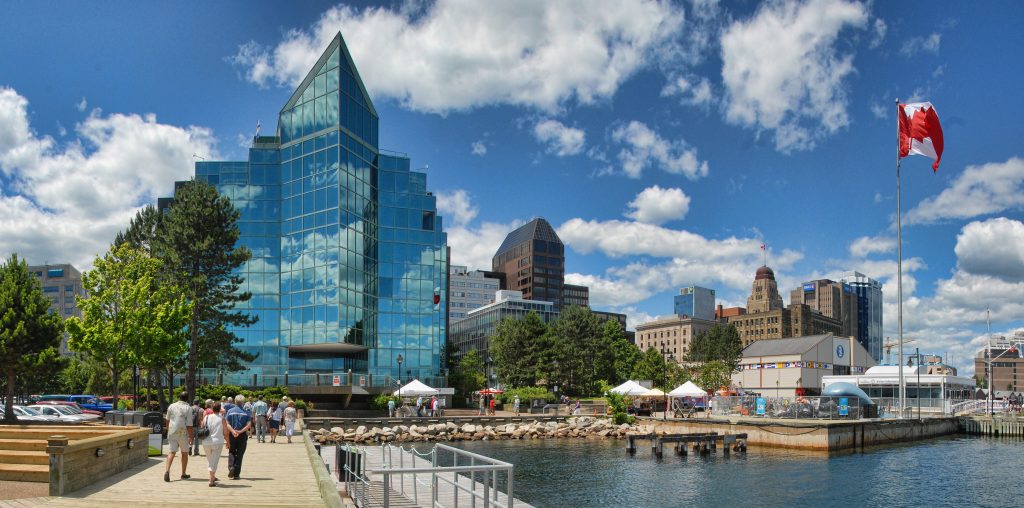
Despite being the second smallest province in Canada, Nova Scotia ranks as the second most densely populated region in the nation. It holds its place as one of the three maritime provinces and is a vital part of Atlantic Canada. The primary urban centres within Nova Scotia encompass Halifax (the provincial capital), Sydney, Wolfville, and Peggy’s Cove. Visitors flock to Nova Scotia to revel in the scenic splendours of the Cabot Trail and other picturesque drives. Nova Scotia is distinguished for its vibrant Celtic culture, the historically significant Fortress of Louisbourg, designated as a National Historic Site, and its role as the site of a partially reconstructed 18th-century French fortress. Additionally, it is celebrated for its delectable seafood offerings, including fresh lobster dinners. For those seeking to immerse themselves in natural beauty, Nova Scotia offers a sprawling coastline teeming with puffins and seals, as well as the Annapolis Valley wine region nestled in the western part of the peninsula.
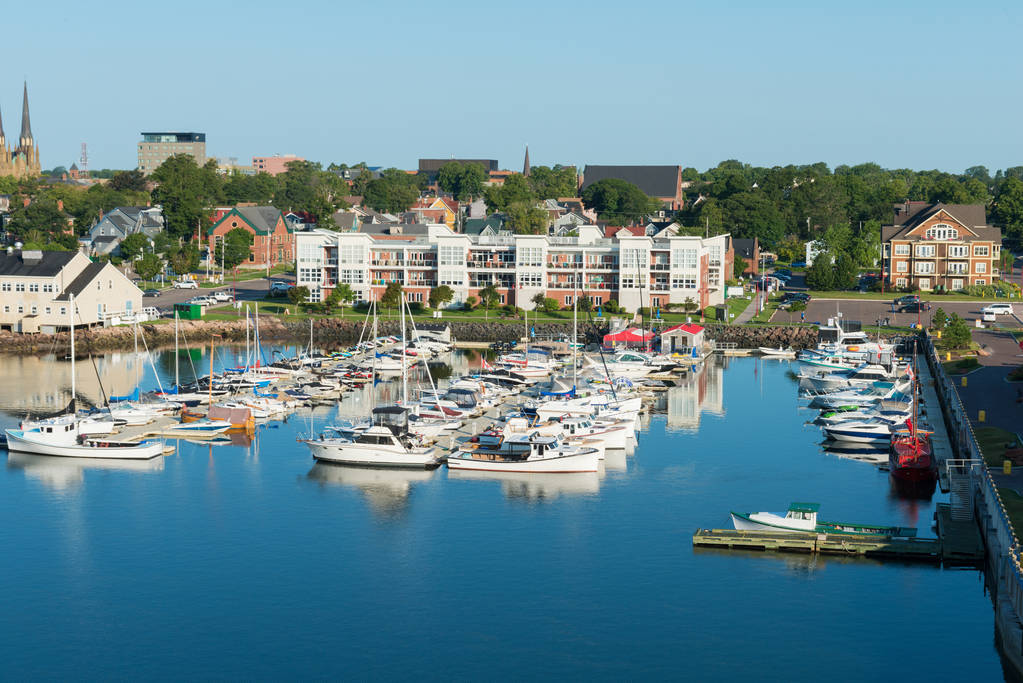
Prince Edward Island
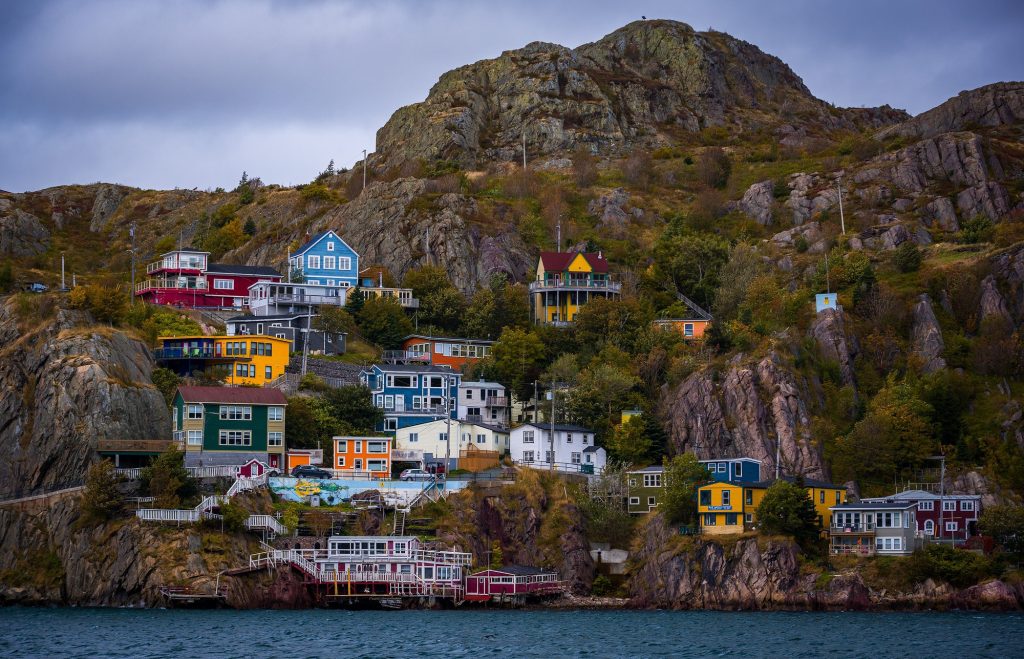
Newfoundland and Labrador
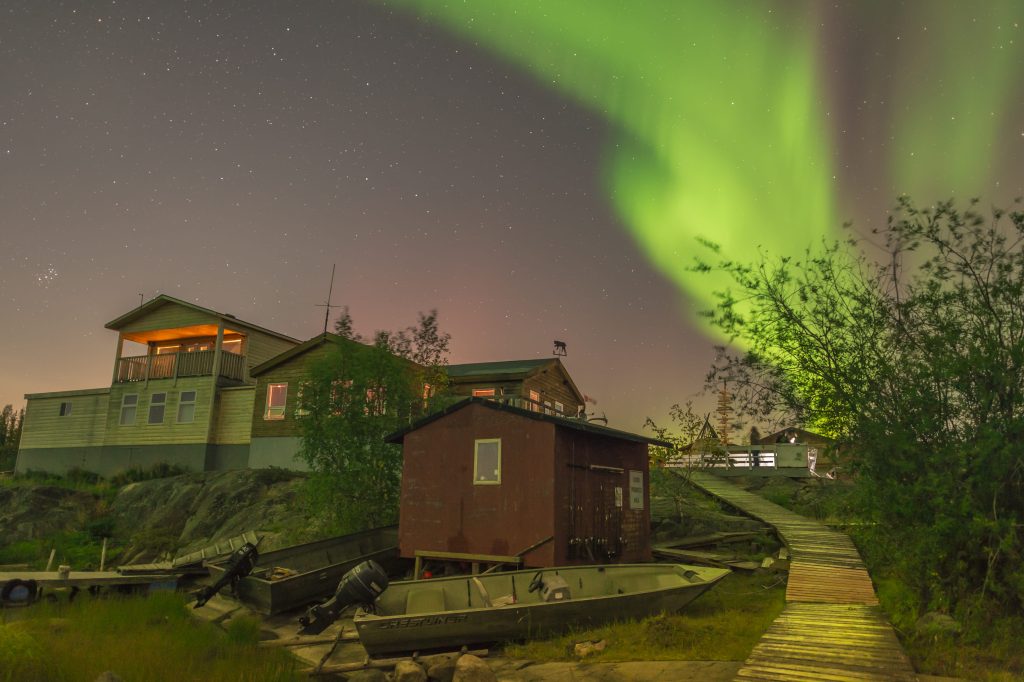
The Northwest Territories holds the distinction of being the most densely populated among the three territories and shares its boundaries with the other two territories, as the name implies, in the northwestern region of the country. Yellowknife serves as the territorial capital, and this region is renowned for several
remarkable features, including the captivating Northern lights, the phenomenon of the midnight sun, the majestic Nahanni River, which serves as the focal point of Nahanni National Park Reserve, and the rugged and thrilling outdoor adventures it offers. Approximately half of the population is of indigenous descent, and the Northwest Territories take pride in recognizing 11 official languages. Visitors have the opportunity to immerse themselves in the rich cultures of the First Nations.
Canadian Territories
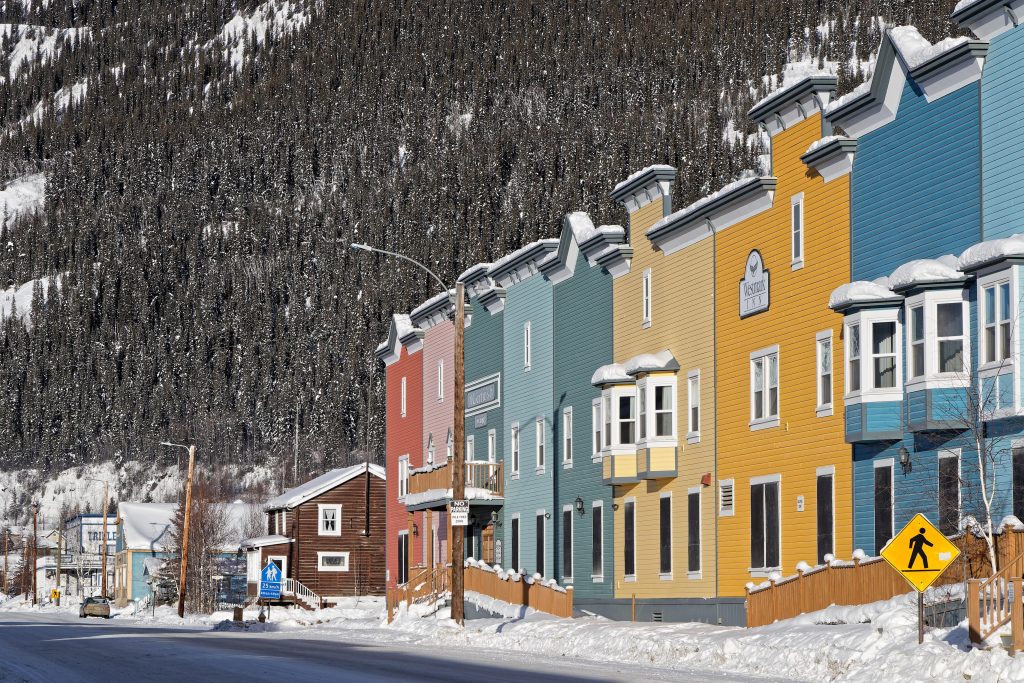
Yukon
Northwest Territories
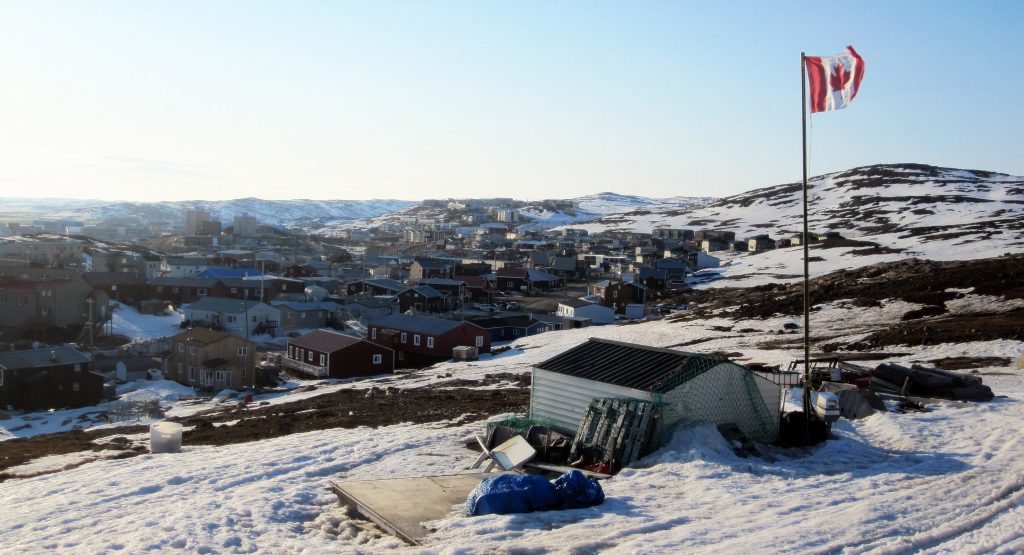
Nunavut
Start your Canadian dream today!
Complete our online registration to be evaluated and we will provide our assessment within 2-3 business days.


