
Getting Driver's License in Canada
To drive legally in Canada, you must possess a driver's license issued by your province or territory's government, and you must carry it with you while driving. This license allows you to drive anywhere in Canada. If you hold a valid license from your home country, you can likely use it for a brief period after your arrival in Canada. Please consult your province or territory's government for specific requirements. If you intend to use a foreign driver's license in Canada, it is advisable to obtain an International Driving Permit (IDP) in your home country. The IDP provides a translation of your license into both French and English. Depending on your destination province and your country of origin, you might have the option to transfer your driver's license without the need to take a driver's test.
Obtaining a driver's license in Canada
Is contingent on the province or territory where you reside and your prior driving experience. The process typically involves:
1. Taking a written exam covering road rules (study guides are available to assist you).
2. Undergoing one or two driving tests. If you wish to prepare for the driving tests, you can opt to pay for driving lessons, which can be found online.
Once you acquire a license, it will need to be renewed periodically, with the
expiration date clearly indicated on the license.
To obtain comprehensive information regarding driver’s licenses, examinations, and driving lessons, please consult the transportation department in your specific province or territory.
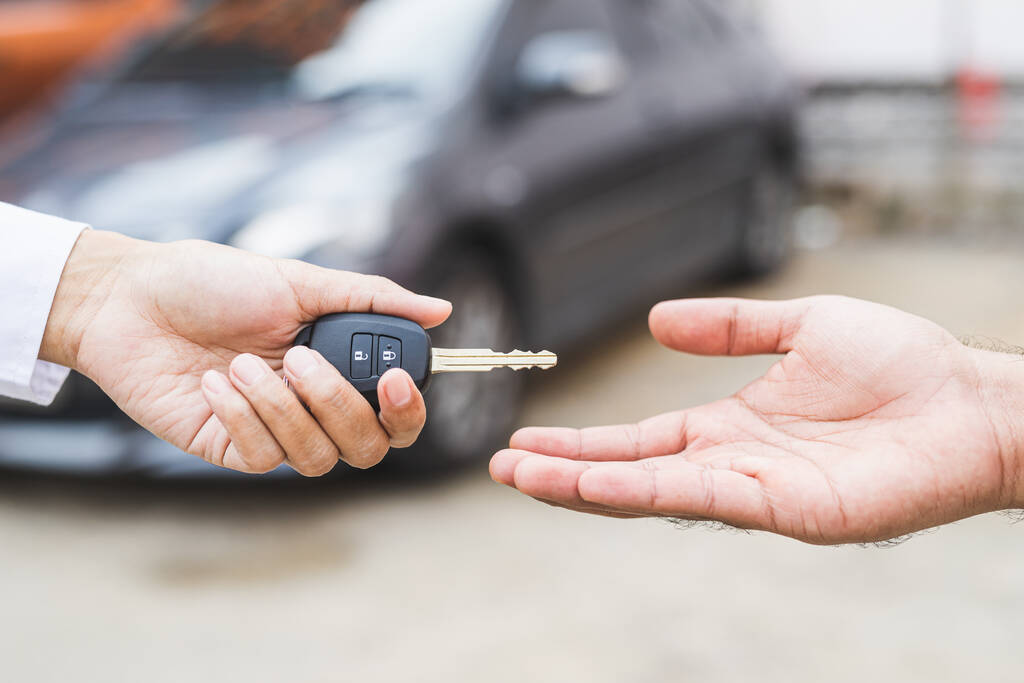
The process of obtaining a driver's license in various Canadian provinces and territories

Alberta
1. Get ready for the knowledge test by reading the Martial First Driver’s Guide to Operation, safety, and Licensing: cars and Light Trucks
2. To take the knowledge test , visit Find a Registry Agent
British Columbia
1. Get ready for the knowledge test reading the martial first Drive Smart guide
2. Book an appointment at an ICBC driver licensing office.
Manitoba
Nova Scotia
1. Prepare for the written exam , Nova Scotia Driver’s Handbook
2. Fill out an application for a Driver’s Licence form to take the test, Access Nova
Scotia locations
Ontario
1. Prepare for the test, Official Ministry of Transportation (MTO) Driver’s Handbook
2. Take the test, DriveTest Centre online
Saskatchewan
1. Prepare for the exam, Saskatchewan Driver’s Handbook
2. Schedule an appointment, Driver exam office
Driving Regulations in Canada
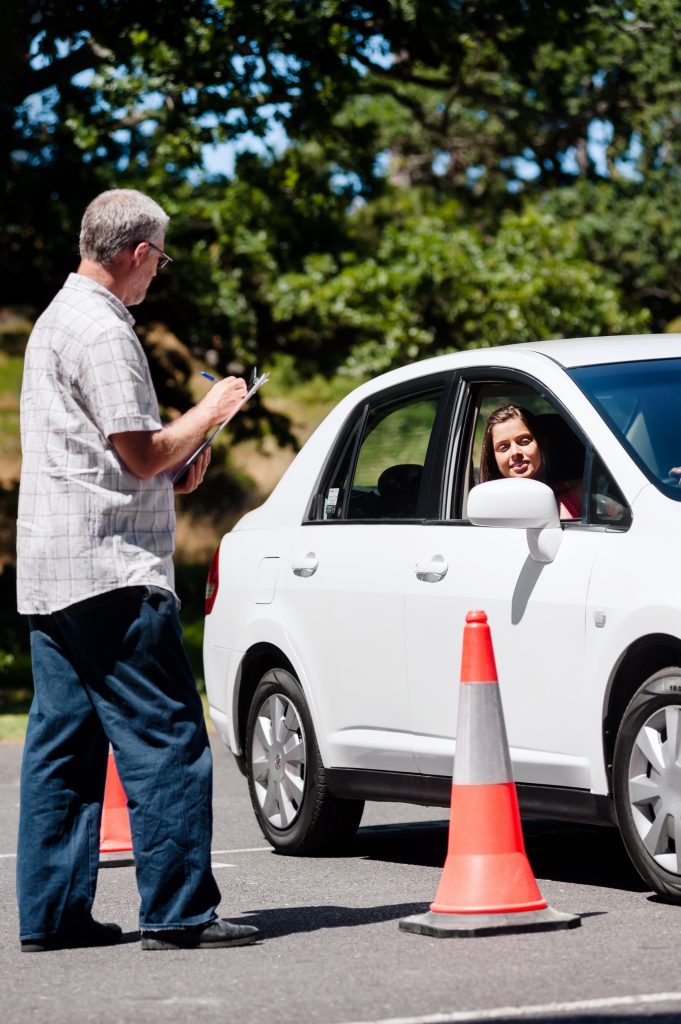
Here are some fundamental driving regulations applicable nationwide in Canada that you should be aware of:
1. Seatbelt Use: Both you and your passengers must always wear seatbelts while
driving.
2. Speed Limits: Speed is measured in kilometres per hour, and the maximum
allowable speed may vary by province. Generally, 120 km/hr is the highest speed
limit, usually on specific highways, while 50 km/hr is the typical city speed, with
potential variations in certain urban areas.
3. Right-Side Driving: Drive on the right side of the road.
4. Pedestrian Right of Way: Pedestrians always have the right of way.
5. Cyclist Rules: Cyclists must adhere to road rules, and drivers must be attentive
to their presence.
6. Right Turn on Red: If your lane is clear, you may make a right turn on a red traffic light. However, please note that this manoeuvre is prohibited in the city of Montréal and in areas where signs indicate the turn is illegal.
7. Stop Signs: Come to a complete stop at stop signs. At four-way stop
intersections, vehicles take turns based on their arrival at the stop.
8. No Distracted Driving: Distracted driving, including the use of mobile phones, is
not permitted.
9. Driving Under the Influence: Driving while intoxicated is a criminal offense.
10. Passing Rules: Passing other vehicles is legally allowed on both the right and
left sides. However, passing on the left side is generally more common and
predictable, making it a safer choice for overtaking.
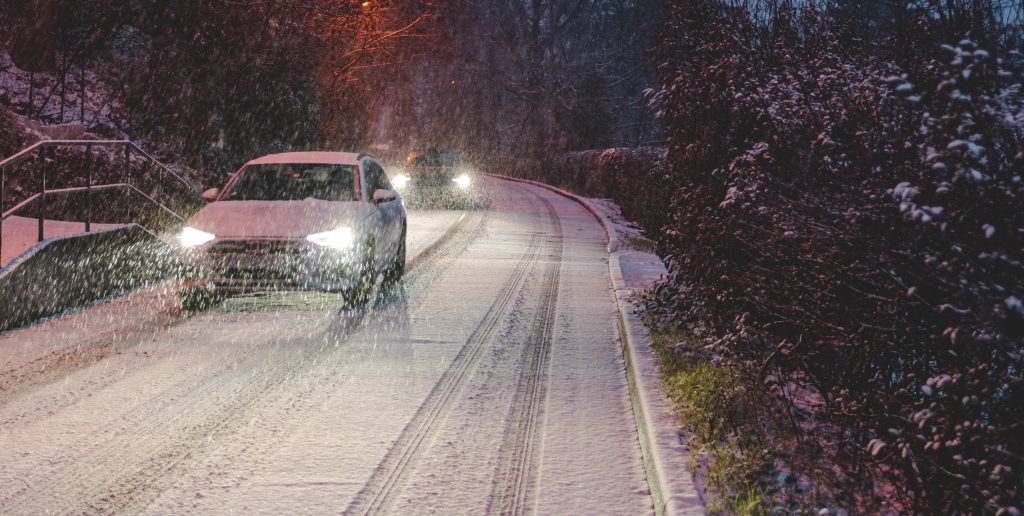
Driving safely in winter
Here are some fundamental driving regulations applicable nationwide in Canada that you should be aware of:
1. Seatbelt Use: Both you and your passengers must always wear seatbelts while
driving.
2. Speed Limits: Speed is measured in kilometres per hour, and the maximum
allowable speed may vary by province. Generally, 120 km/hr is the highest speed
limit, usually on specific highways, while 50 km/hr is the typical city speed, with
potential variations in certain urban areas.
3. Right-Side Driving: Drive on the right side of the road.
4. Pedestrian Right of Way: Pedestrians always have the right of way.
5. Cyclist Rules: Cyclists must adhere to road rules, and drivers must be attentive
to their presence.
6. Right Turn on Red: If your lane is clear, you may make a right turn on a red traffic light. However, please note that this manoeuvre is prohibited in the city of Montréal and in areas where signs indicate the turn is illegal.
7. Stop Signs: Come to a complete stop at stop signs. At four-way stop
intersections, vehicles take turns based on their arrival at the stop.
8. No Distracted Driving: Distracted driving, including the use of mobile phones, is
not permitted.
9. Driving Under the Influence: Driving while intoxicated is a criminal offense.
10. Passing Rules: Passing other vehicles is legally allowed on both the right and
left sides. However, passing on the left side is generally more common and
predictable, making it a safer choice for overtaking.
Car Insurance
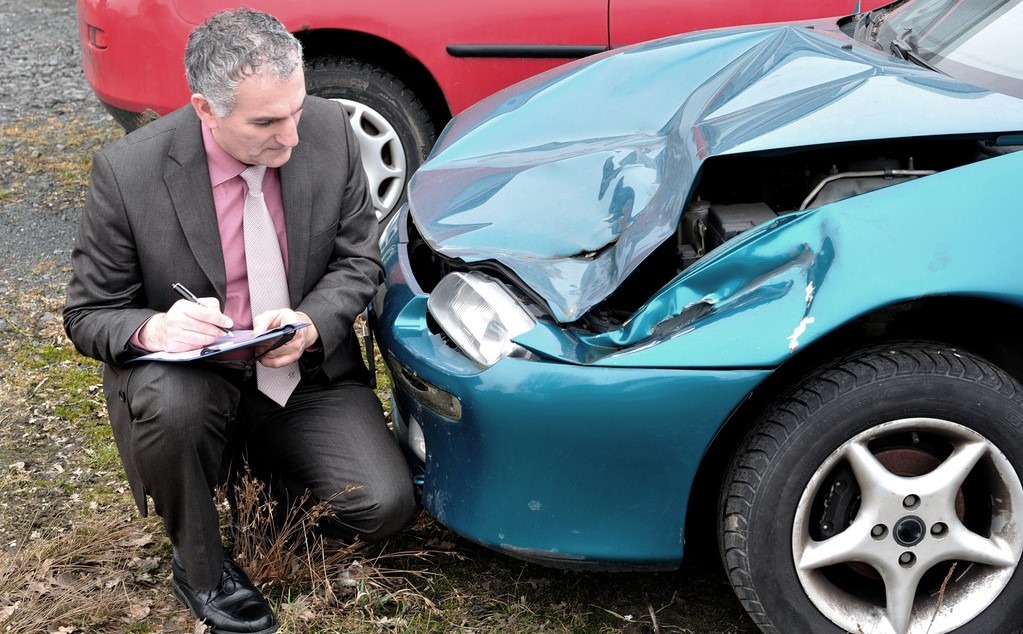
RENT A CAR
If you only require a car for short periods, consider renting one from a car rental
agency. Ensure that car insurance is included in your car rental agreement if needed.
Below are some commonly used services:
-Enterprise ( https://www.enterprise.ca/en/home.html )
-Budget car ( www.budget.ca )
-Hertz Rental Car ( https://www.hertz.ca/rentacar/reservation/ )
CAR-SHARING
In some cities, car-sharing programs are available, allowing you to use a car without
purchasing, leasing, or renting one. Car-sharing programs typically provide
designated parking locations throughout their cities where you can conveniently park
the car for the next user once you’ve completed your trip.
Below are some commonly used services:
Enterprise Carshare ( www.enterprisecarshare.ca ) (Toronto, Mississauga, and
many university campuses)
Zipcar ( https://www.zipcar.com/en-ca )(Many cities in British Columbia and Ontario)
Communauto ( https://communauto.com/?lang=en ) (Edmonton, Halifax, plus
many cities in Ontario and Quebec)
Turo ( https://turo.com/ca/en ) (Across Canada)
Evo Car Share ( https://www.evo.ca/ ) (Vancouver)
PURCHASING A CAR
You can purchase a new or used car from either a car dealership or an individual
seller. Purchasing a vehicle from sources other than a dealership might offer cost
savings, but it may involve fewer regulatory safeguards. Exercise caution when
dealing with online listings or potential scams.
For guidance and assistance with buying or selling a car, consult the department
responsible for regulating cars and driving in your province or territory. To address
consumer-related issues regarding vehicle purchases, you can:
-Refer to the Canadian Consumer Handbook
(https://www.consumerhandbook.ca/ )
-Contact your provincial or territorial consumer affairs office.
Leasing a Car
Instead of buying, many people in Canada choose to lease a car from a car
dealership.
A car lease is a legal agreement in which you:
-Agree to pay a fee to use the car for a specified period, typically several years
-Return the car to the dealership in good condition at the end of the lease term
-Since a car lease is a legal contract, it is crucial to fully understand the terms and
conditions before signing it.
Safety
The Canada Safety Council ( https://canadasafetycouncil.org/vehicle–road-
safety-landing-page/ ) provides information on ways drivers can enhance road
safety in Canada.
Winter Driving Advice
-Stay alert and well-rested before driving, and always wear your seatbelt.
-Winter conditions can lead to poor visibility, so it’s crucial to remain vigilant while
driving.
-If you’ve consumed alcohol or cannabis at winter parties, do not drive. Only drive if you’re sober.
-Heavy coats and jackets can be uncomfortable in a car, but seat belts must still be worn even if you or your passengers remove outerwear. It’s the law.
-Bulky winter clothing may not be suitable for your child’s car seat. Ensure your child wears lighter winter attire to buckle them securely into their car seat with a snug harness. Bring an extra blanket to keep them warm. Visibility Matters
-Before hitting the road, remove all snow from your vehicle, including the hood, roof, windows, and lights. Clear all windows of frost and fog to enhance visibility and prevent snow from sliding onto your windshield or other vehicles during travel. Some provinces may issue fines for not clearing snow off your vehicle.
-If driving conditions become too hazardous, seek a safe place to stop until it’s safe to continue. Find a rest area or exit the roadway and take shelter in a building if possible. In low visibility, turn on your headlights to make your vehicle more visible to others. Adapt Your Driving
-Adjust your speed according to road and weather conditions.
-To reduce accident risks, avoid overtaking other vehicles in poor weather and road conditions. Snow-covered roads may have more snow or slush between lanes, making lane changes difficult. Safe Braking
-Effective braking is crucial for safe winter driving. On slippery roads, it takes longer to stop, so you should:
-Maintain a greater following distance between your vehicle and the one ahead.
-Pay close attention to the road, looking as far ahead as possible.
-Avoid releasing the brake pedal when your vehicle loses control; instead, focus on steering while firmly applying the brake. Skidding
-Even experienced drivers can experience skidding, so be prepared. Skidding can
occur when you panic brake to avoid obstacles on the road. To minimize skidding in adverse weather conditions, consider the following:
-Reduce your speed, allowing for extra travel time, and exercise caution when
braking, changing lanes, making turns, or navigating curves.
-Increase the distance between your vehicle and the one in front.
-Avoid abrupt braking or sudden, jerky steering movements.
Consult your vehicle’s owner’s manual to learn about its braking system and tire
traction. If your Electronic Stability Control (ESC) activates, it means your vehicle is attempting to prevent skidding and loss of control. Slow down and drive cautiously. ESC is standard on vehicles manufactured from 2012 onward. When skidding begins, ESC applies brakes to one or more wheels or reduces engine power, or both, to help maintain control. If you become stuck, turn off your ESC.
In extreme weather conditions, avoid using cruise control. Don’t rely on other driver assistance technologies like blind spot monitoring or lane keeping assistance, as they may not function well in bad weather. Consult your owner’s manual to understand these systems’ capabilities and limitations. Always be prepared to call for assistance. Keep your phone charged and have a charging cable in your vehicle. In emergencies, dial 911.
Start your process today!
Complete our online registration to be evaluated and we will provide our assessment within 2-3 business days.


